Tunisia - Phase II
Hub: Pasteur Institute in Tunis, Tunisia
Phase II: Tunisia Addressing Public health with AI-powered AMR Surveillance in Wastewater (TAWA)
Team Members
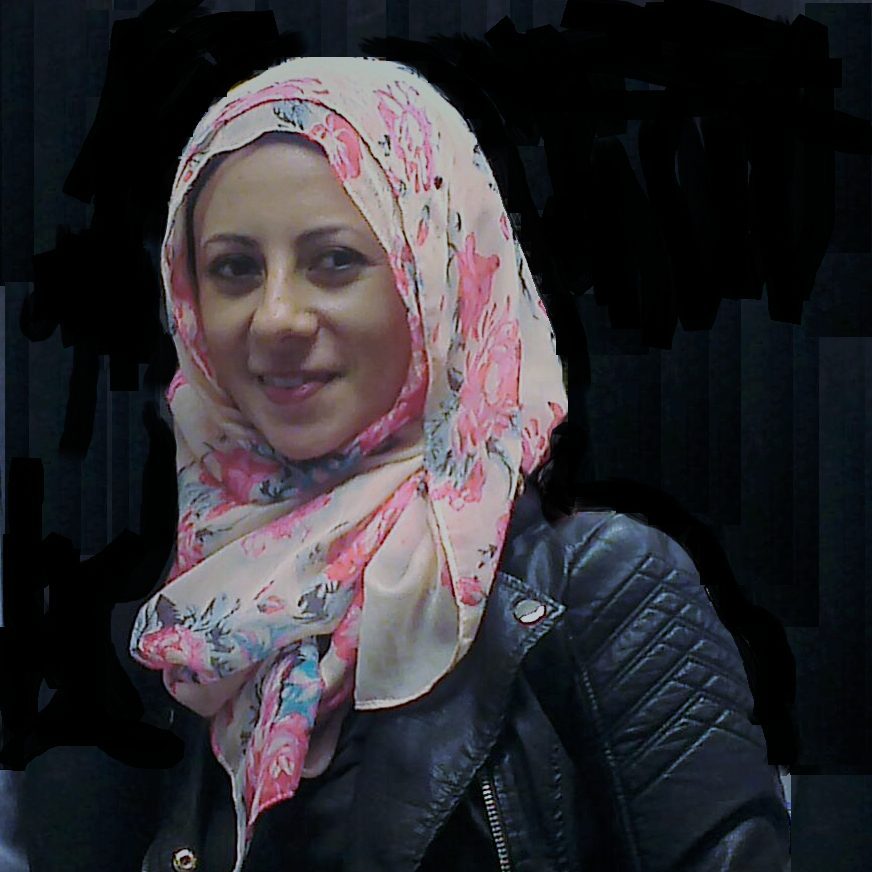
Hana Trigui
Director (Pasteur Institute, LR16 IPT 02)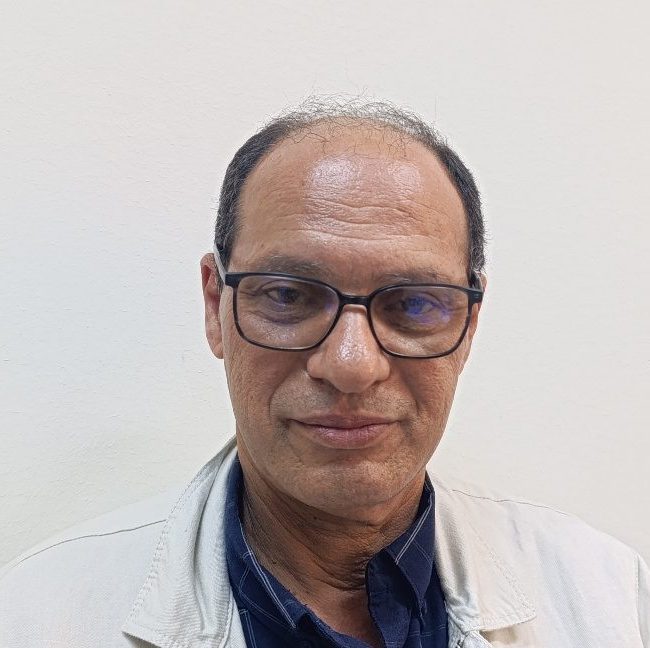
Dhafer Laouini
Team Member (Pasteur Institute, LR16 IPT 02)
Fatma Guerfali
Team Member (Pasteur Institute, LR16 IPT 02)
Chiraz Atri
Team Member (Pasteur Institute, LR16 IPT 02)
Aymen Bali
Team Member (Pasteur Institute, LR16 IPT 02)
Hamza Gara
Team Member (Pasteur Institute, LR16 IPT 02)
Amna Helmi
Team Member (Ministry of Health, DHMPE)
Karima Hammami
Team Member (Ministry of Health, DHMPE)AI Solutions for One Health Approaches to Epidemic and Pandemic Prevention and Response: Scale, Inclusion and Impact
TAWA Project
Context
Antimicrobial resistance (AMR) is a major One Health threat. TAWA will use wastewater surveillance, microbiology, metagenomics, and artificial intelligence to monitor AMR in Tunisia.
Main Objective
To monitor and predict AMR through monthly wastewater surveillance in two treatment plants in Greater Tunis from 2026 to 2028.
Specific Objectives
• Detect priority resistant pathogens and AMR genes.
• Combine culture, qPCR, metabarcoding, and metagenomic sequencing.
• Develop AI models to identify AMR trends and hotspots.
• Create an interactive geospatial dashboard.
• Support Tunisia’s National Action Plan against AMR.
Study Sites
Sampling will be conducted at two wastewater treatment plants in Grand Tunis. Both untreated and treated wastewater will be collected monthly. These sites are important because treated wastewater is partly reused and partly discharged into the environment.
Priority Targets
The project will monitor priority resistant bacteria, including resistant Enterobacterales, Acinetobacter baumannii, Salmonella, Shigella, Staphylococcus aureus, Enterococcus faecium, and Pseudomonas aeruginosa.
Key AMR genes will include blaCTX-M, blaNDM, blaKPC, blaOXA-48, mecA, vanA, mcr-1, qnr, tet, sul, dfrA, erm(B), and intI1.
AI Platform
TAWA will integrate laboratory results with wastewater flow, population equivalent, physicochemical parameters, weather, seasonality, treatment-plant characteristics, industrial activity, geographical data, and antibiotic sales.
AI models will predict AMR trends and potential hotspots. A dashboard will display contamination patterns and may later support email or SMS alerts.
Expected Impact
TAWA will:
- Complement clinical AMR surveillance.
- Enable earlier detection of emerging resistance.
- Support targeted public health interventions.
- Generate evidence for national AMR policies.
- Strengthen Tunisia’s surveillance and laboratory capacity.
Partner Roles
- Institut Pasteur de Tunis: Scientific coordination, microbiological and molecular analyses, sequencing, bioinformatics, and AI modelling.
- Ministry of Health – DHMPE: Sample transport, historical surveillance data, and environmental health support.
- ONAS: Wastewater-flow data, technical support, and authorization of sampling.
Conclusion
TAWA will establish an AI-enabled wastewater surveillance platform to strengthen AMR prevention, detection, and response in Tunisia.