Ethiopia is taking a significant step toward embedding responsible artificial intelligence within its national public health infrastructure.
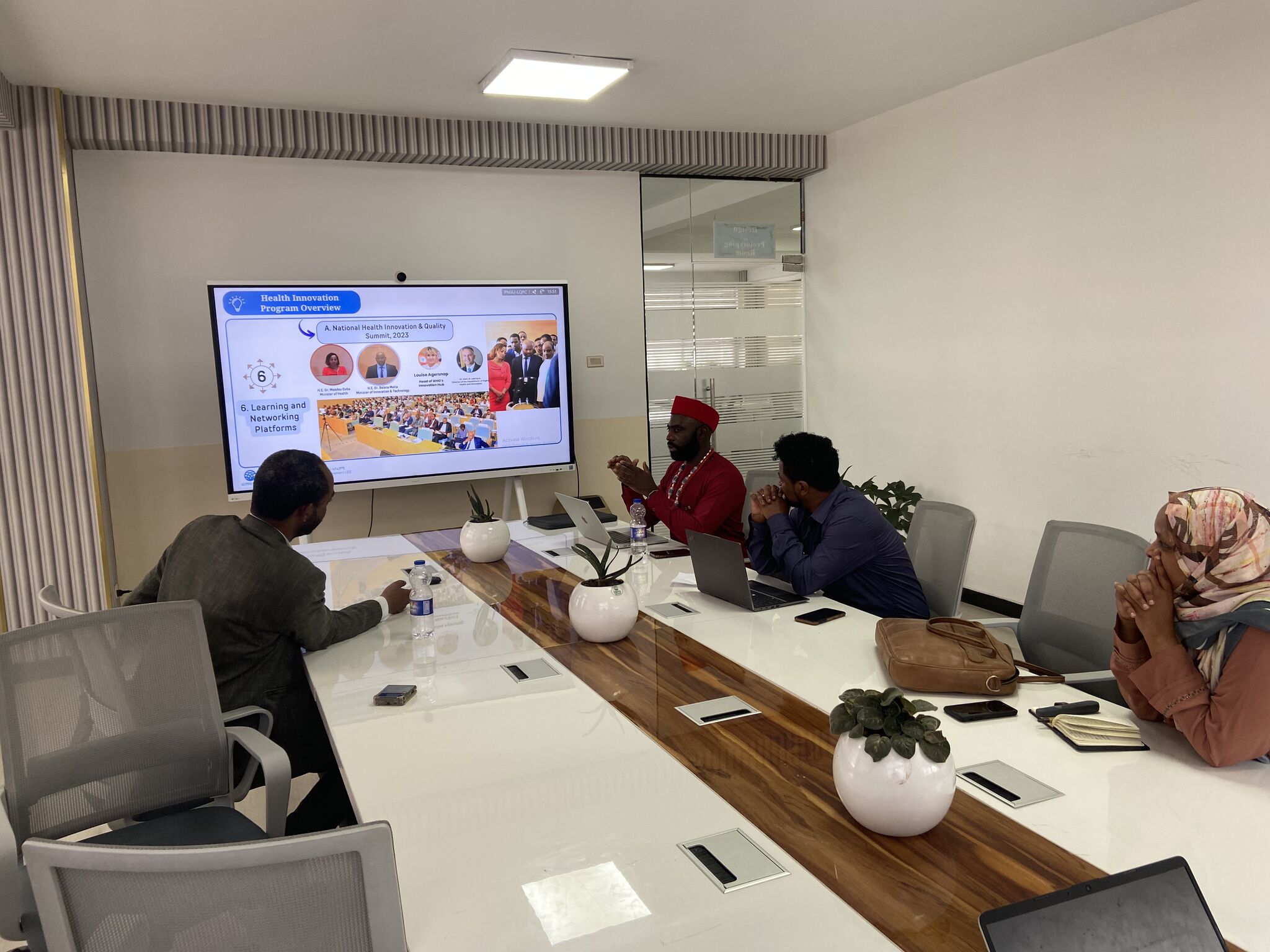
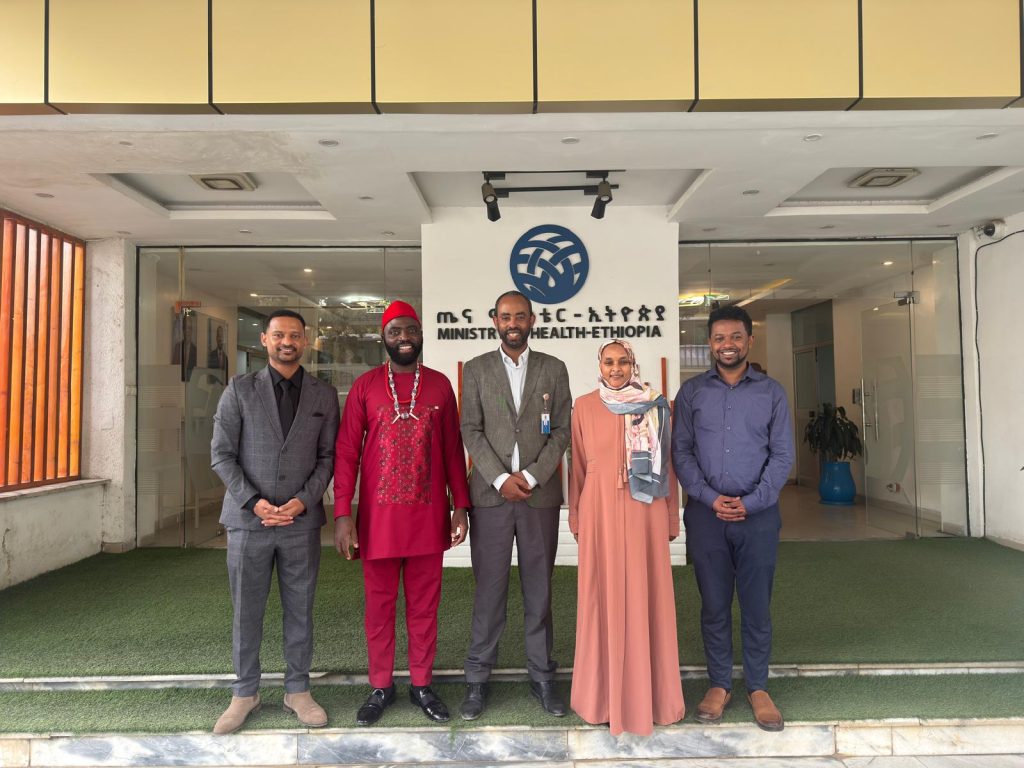
AI4PEP Executive Director Jude Kong, alongside Dr Gelan Ayana Zewdie of AI4PEP Ethiopia and Haqila Lab, engaged with leadership at the Federal Ministry of Health Ethiopia to initiate a strategic collaboration aimed at integrating AI innovations into the country’s health system.
The conversations were focused and forward-looking: How can AI move beyond pilots and become embedded within national systems? How can innovation strengthen epidemic preparedness and response without compromising ethics, equity, or sovereignty?
“This is not about deploying isolated tools,” said Prof. Kong. “It is about strengthening national infrastructure. AI must serve public systems in ways that are accountable, policy-aligned, and sustainable.”
From Pilots to Policy
Across many low- and middle-income countries, promising AI innovations often remain confined to short-term pilot projects. Ethiopia’s approach signals something different, a commitment to institutionalization.
The proposed collaboration centers on co-developing a structured national framework that supports:
- Ethical and regulatory governance for AI in health
- Integration of decision-support tools into existing public health systems
- Capacity strengthening within national institutions
- Long-term formal partnership through a Memorandum of Understanding
Rather than creating parallel digital ecosystems, the emphasis is on embedding AI within the country’s established health architecture, ensuring interoperability, local ownership, and continuity.
“Technology alone does not transform health systems,” Prof. Kong noted. “Strong governance, local expertise, and policy alignment are what make transformation durable.”
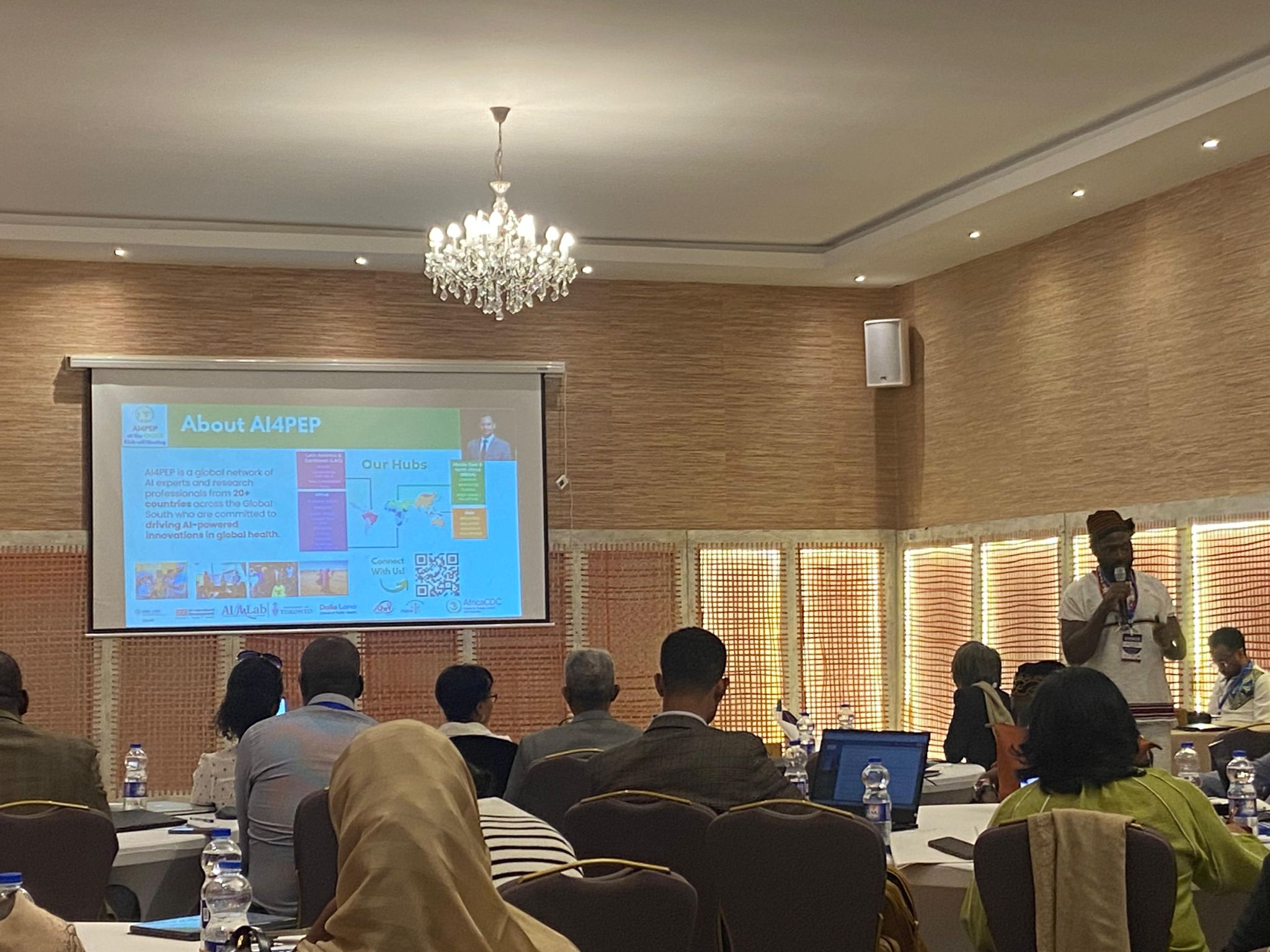
While in Ethiopia, AI4PEP representatives also participated in the launch of the Coalition for Health AI Innovation and Ethics (CHOICE), hosted by the Armauer Hansen Research Institute. The coalition convenes researchers, policymakers, and practitioners committed to shaping responsible AI governance frameworks in health.
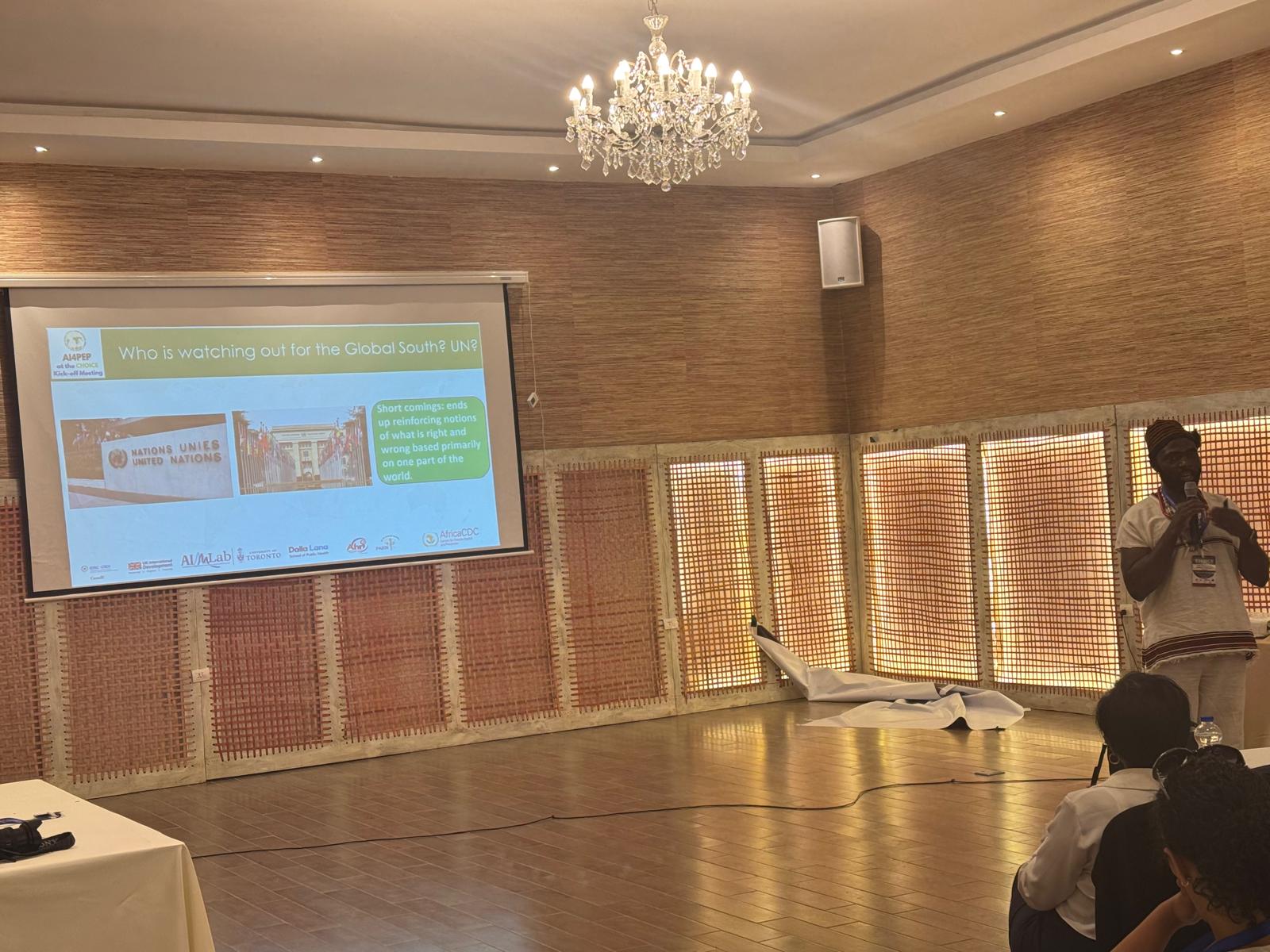
During the launch event, Prof. Kong delivered reflections on rethinking AI ethics through a decolonial lens.
“AI ethics cannot be copy-pasted across contexts,” he emphasized. “Countries must define governance models that reflect their realities, their values, and their public health priorities. Equity is not an afterthought, it is foundational.”
These discussions reinforced a central principle of AI4PEP’s work: innovation must be grounded in local leadership. Governance frameworks must emerge from the contexts in which AI systems will operate.
For the Global South AI for Pandemic and Epidemic Preparedness and Response Network, these engagements represent more than partnership-building. They reflect a broader shift toward nationally led AI transformation in public health.
Dr. Zewdie’s presence as AI4PEP Ethiopia delegate underscores this commitment to local expertise and institutional leadership. By co-designing frameworks with the Ministry of Health, the collaboration places Ethiopian institutions at the center of decision-making.
“Global South countries are not passive recipients of technology,” Prof. Kong stated. “They are architects of their own AI futures. Our role is to support that leadership.”
The goal is clear, to build systems that are not only intelligent, but accountable, resilient, and rooted in the priorities of the communities they serve.